
Sewer & Septic Backup Repair Subhead
Sewer & Septic Backup Repair Subhead
Diagnosis, clearing, and repair for residential sewer and septic backups. Fast response from licensed plumbers across Washington State.
Diagnosis, clearing, and repair for residential sewer and septic backups. Fast response from licensed plumbers across Washington State.
Send us a message
Send us a message
Send us a message
Sewer & Septic Backup Diagnosis & Repair
Whether your home is connected to a municipal sewer or a private septic system, backups can cause serious damage, health concerns, and major disruptions. When wastewater has nowhere to go, it can back up into toilets, sinks, tubs, floor drains, or basements. D.M. Kelly Mechanical provides professional residential sewer and septic backup services, quickly identifying the cause of the problem and delivering effective solutions to restore proper flow and reduce the risk of future issues.
What We Offer
Sewer & Septic Backup Diagnosis — Identifying blockages, system failures, pipe damage, root intrusion, or overloaded lines
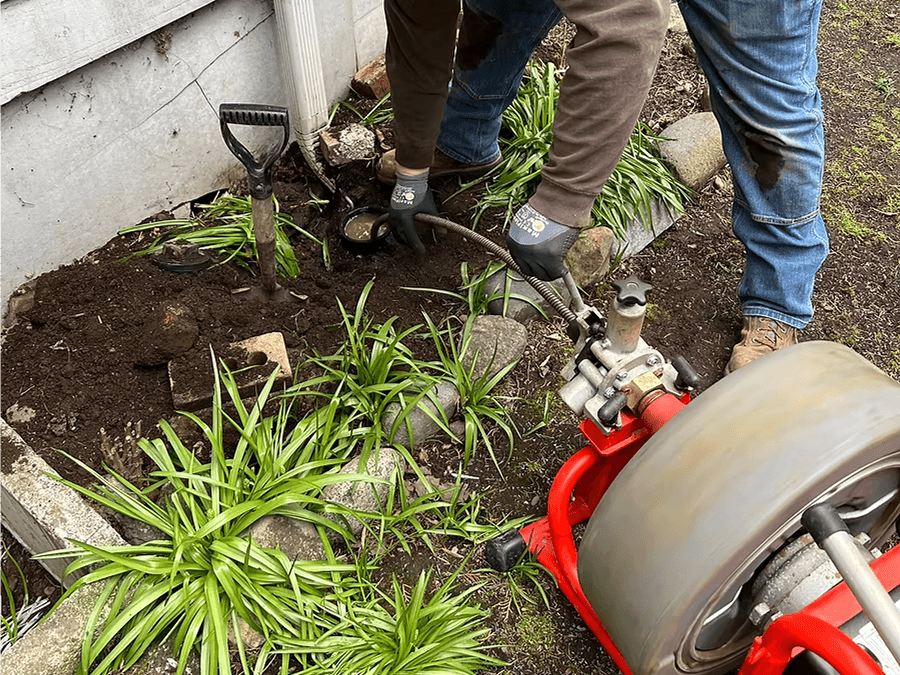
Drain & Main Line Clearing — Professional clearing of sewer mains, septic lines, and branch drains to restore proper flow
Hydro Jetting - High‑pressure water jet cleaning to thoroughly clear the entire circumference of sewer and septic lines, removing all grease, sludge, roots, and debris. Hydro jetting restores full pipe diameter, improves flow, and helps prevent recurring backups without damaging your plumbing.
Sewer Line Repair — Repairing damaged, collapsed, or root‑invaded sewer piping
Septic Line Support — Clearing and repairing blocked or failing septic piping leading to the tank or drain field
Camera Inspections — Video inspections to assess pipe condition, confirm the cause of backups, and guide long‑term solutions
Preventive Recommendations — Guidance on maintenance, usage habits, and system upgrades to reduce future sewer or septic backups
Signs You Need Service
Toilets, tubs, or floor drains backing up simultaneously
Sewage or wastewater odors inside or outside the home
Gurgling sounds from drains or toilets when water is used
Wastewater backing up in basements or the lowest fixtures
Standing water or soggy areas near septic components
Slow drains throughout the house, not just one fixture
Repeated backups despite previous drain cleaning
Sewer and septic backups rarely resolve on their own and often worsen over time. If you notice any of these warning signs, prompt service can help prevent extensive property damage and health risks.
Common Questions
What’s the difference between a sewer backup and a septic backup? A sewer backup occurs when wastewater can’t flow into the municipal sewer main. A septic backup happens when pipes leading to the septic tank, the tank itself, or the drain field become blocked or overloaded.
Is a septic backup considered an emergency? Yes. Septic backups can lead to sewage entering the home or surfacing on the property, creating serious health and environmental hazards. Immediate professional service is recommended.
Will clearing the line fix the problem permanently? Clearing often restores flow temporarily, but recurring backups may indicate pipe damage, root intrusion, or septic system capacity issues. Camera inspections help determine the best long‑term solution.
Can backups happen even with good plumbing and septic maintenance habits? Yes. Aging pipes, tree roots, heavy rain, system overload, or failing septic components can cause backups even when homeowners are careful.
How can I reduce the risk of future sewer or septic backups? Avoid grease, wipes, and non‑flushable items; address slow drains early; schedule periodic inspections; and ensure septic systems are properly sized and maintained.
Sewer & Septic Backup Diagnosis & Repair
Whether your home is connected to a municipal sewer or a private septic system, backups can cause serious damage, health concerns, and major disruptions. When wastewater has nowhere to go, it can back up into toilets, sinks, tubs, floor drains, or basements. D.M. Kelly Mechanical provides professional residential sewer and septic backup services, quickly identifying the cause of the problem and delivering effective solutions to restore proper flow and reduce the risk of future issues.
What We Offer
Sewer & Septic Backup Diagnosis — Identifying blockages, system failures, pipe damage, root intrusion, or overloaded lines
Drain & Main Line Clearing — Professional clearing of sewer mains, septic lines, and branch drains to restore proper flow
Hydro Jetting - High‑pressure water jet cleaning to thoroughly clear the entire circumference of sewer and septic lines, removing all grease, sludge, roots, and debris. Hydro jetting restores full pipe diameter, improves flow, and helps prevent recurring backups without damaging your plumbing.
Sewer Line Repair — Repairing damaged, collapsed, or root‑invaded sewer piping
Septic Line Support — Clearing and repairing blocked or failing septic piping leading to the tank or drain field
Camera Inspections — Video inspections to assess pipe condition, confirm the cause of backups, and guide long‑term solutions
Preventive Recommendations — Guidance on maintenance, usage habits, and system upgrades to reduce future sewer or septic backups
Signs You Need Service
Toilets, tubs, or floor drains backing up simultaneously
Sewage or wastewater odors inside or outside the home
Gurgling sounds from drains or toilets when water is used
Wastewater backing up in basements or the lowest fixtures
Standing water or soggy areas near septic components
Slow drains throughout the house, not just one fixture
Repeated backups despite previous drain cleaning
Sewer and septic backups rarely resolve on their own and often worsen over time. If you notice any of these warning signs, prompt service can help prevent extensive property damage and health risks.
Common Questions
What’s the difference between a sewer backup and a septic backup? A sewer backup occurs when wastewater can’t flow into the municipal sewer main. A septic backup happens when pipes leading to the septic tank, the tank itself, or the drain field become blocked or overloaded.
Is a septic backup considered an emergency? Yes. Septic backups can lead to sewage entering the home or surfacing on the property, creating serious health and environmental hazards. Immediate professional service is recommended.
Will clearing the line fix the problem permanently? Clearing often restores flow temporarily, but recurring backups may indicate pipe damage, root intrusion, or septic system capacity issues. Camera inspections help determine the best long‑term solution.
Can backups happen even with good plumbing and septic maintenance habits? Yes. Aging pipes, tree roots, heavy rain, system overload, or failing septic components can cause backups even when homeowners are careful.
How can I reduce the risk of future sewer or septic backups? Avoid grease, wipes, and non‑flushable items; address slow drains early; schedule periodic inspections; and ensure septic systems are properly sized and maintained.
Need help with a sewer or septic backup?
Need help with a sewer or septic backup?
Contact D.M. Kelly Mechanical for a free estimate. Serving customers across Washington State, from King and Pierce counties to communities statewide.
Contact D.M. Kelly Mechanical for a free estimate. Serving customers across Washington State, from King and Pierce counties to communities statewide.