Medical Gas Piping
Medical Gas Piping
Design, installation, and certification of medical gas and vacuum systems for healthcare facilities. Code-compliant, life-safety-focused builds from licensed plumbers across Washington State.
Design, installation, and certification of medical gas and vacuum systems for healthcare facilities. Code-compliant, life-safety-focused builds from licensed plumbers across Washington State.
Need medical gas system service?
Need medical gas system service?
Need medical gas system service?
Medical Gas Systems for Healthcare & Specialized Facilities
Medical gas systems are critical life‑safety infrastructure that demand precision, strict compliance, and experienced installation. D.M. Kelly Mechanical provides commercial medical gas services for hospitals, clinics, outpatient centers, dental offices, veterinary facilities, and specialized care environments. Our team installs, modifies, and certifies medical gas and vacuum systems in compliance with NFPA 99, local codes, and facility specifications. From new construction to system upgrades and tenant improvements, we ensure every system is safe, reliable, and inspection‑ready.
What We Offer
Medical Gas & Vacuum System Installation — Oxygen, medical air, nitrous oxide, and vacuum systems installed to NFPA 99 and applicable state and local codes
Healthcare New Construction Support — Full medical gas infrastructure for hospitals, surgical centers, clinics, and institutional projects
System Modifications & Expansions — Tie‑ins, rerouting, and system upgrades to support new equipment, expanded services, or remodeled spaces
Certification & Testing Coordination — Pressure testing, system verification, labeling, and documentation required for occupancy and accreditation
Alarm Panels & Source Equipment — Installation and connection of medical gas alarms, manifolds, compressors, and vacuum pumps in coordination with facility engineering teams
Code Compliance & Inspections — Systems installed, documented, and prepared for AHJ, health department, and accreditation inspections
Signs You Need Service / Planning Support
Planning a new healthcare or medical facility construction project
Renovating or expanding treatment rooms, operating areas, or patient care spaces
Adding new medical equipment that requires gas or vacuum connections
Addressing inspection findings or accreditation requirements
Modifying systems during tenant improvements or departmental remodels
Experiencing pressure, flow, or reliability concerns with existing systems
Preparing for final inspections, occupancy, or facility turnover
Medical gas work requires specialized knowledge and certification. Engaging a qualified contractor early helps ensure compliance, avoid rework, and keep healthcare projects on schedule.
Common Questions
Why are medical gas systems so strictly regulated? Medical gas systems are strictly regulated because they deliver life‑critical gases directly to patients, and any error, contamination, or failure can cause serious injury or death—often affecting many patients at once. Strict rules ensure safety, reliability, and prevention of fires, contamination, or wrong‑gas delivery.
Who can install medical gas systems? Medical gas systems can only be installed by licensed contractors who are specifically trained and certified in medical gas installation, working under NFPA 99 and local code requirements, with the system independently tested and verified by a certified medical gas verifier.
What kind of medical gas systems can we install? Medical gas systems include oxygen, medical air, vacuum, nitrous oxide, nitrogen, carbon dioxide, and waste anesthetic gas systems, all of which safely supply or remove gases used in patient care.
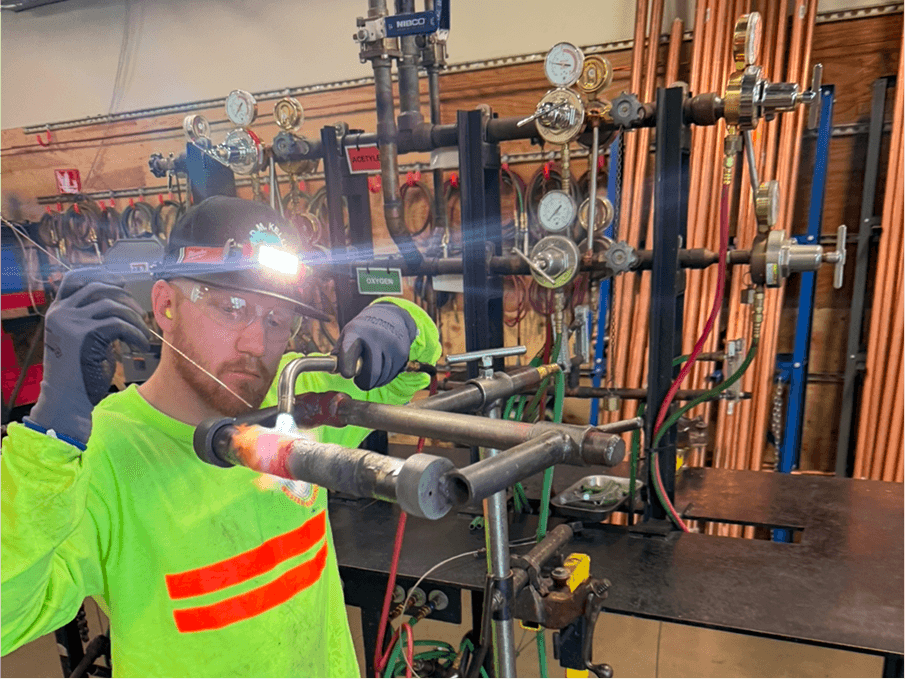
How are medical gas systems different from standard plumbing systems? Medical gas systems are life‑safety systems. Unlike standard plumbing, they require specialized materials, certified installers, brazing procedures, pressure testing, and third‑party verification to ensure patient safety and regulatory compliance.
Medical Gas Systems for Healthcare & Specialized Facilities
Medical gas systems are critical life‑safety infrastructure that demand precision, strict compliance, and experienced installation. D.M. Kelly Mechanical provides commercial medical gas services for hospitals, clinics, outpatient centers, dental offices, veterinary facilities, and specialized care environments. Our team installs, modifies, and certifies medical gas and vacuum systems in compliance with NFPA 99, local codes, and facility specifications. From new construction to system upgrades and tenant improvements, we ensure every system is safe, reliable, and inspection‑ready.
What We Offer
Medical Gas & Vacuum System Installation — Oxygen, medical air, nitrous oxide, and vacuum systems installed to NFPA 99 and applicable state and local codes
Healthcare New Construction Support — Full medical gas infrastructure for hospitals, surgical centers, clinics, and institutional projects
System Modifications & Expansions — Tie‑ins, rerouting, and system upgrades to support new equipment, expanded services, or remodeled spaces
Certification & Testing Coordination — Pressure testing, system verification, labeling, and documentation required for occupancy and accreditation
Alarm Panels & Source Equipment — Installation and connection of medical gas alarms, manifolds, compressors, and vacuum pumps in coordination with facility engineering teams
Code Compliance & Inspections — Systems installed, documented, and prepared for AHJ, health department, and accreditation inspections
Signs You Need Service / Planning Support
Planning a new healthcare or medical facility construction project
Renovating or expanding treatment rooms, operating areas, or patient care spaces
Adding new medical equipment that requires gas or vacuum connections
Addressing inspection findings or accreditation requirements
Modifying systems during tenant improvements or departmental remodels
Experiencing pressure, flow, or reliability concerns with existing systems
Preparing for final inspections, occupancy, or facility turnover
Medical gas work requires specialized knowledge and certification. Engaging a qualified contractor early helps ensure compliance, avoid rework, and keep healthcare projects on schedule.
Common Questions
Why are medical gas systems so strictly regulated? Medical gas systems are strictly regulated because they deliver life‑critical gases directly to patients, and any error, contamination, or failure can cause serious injury or death—often affecting many patients at once. Strict rules ensure safety, reliability, and prevention of fires, contamination, or wrong‑gas delivery.
Who can install medical gas systems? Medical gas systems can only be installed by licensed contractors who are specifically trained and certified in medical gas installation, working under NFPA 99 and local code requirements, with the system independently tested and verified by a certified medical gas verifier.
What kind of medical gas systems can we install? Medical gas systems include oxygen, medical air, vacuum, nitrous oxide, nitrogen, carbon dioxide, and waste anesthetic gas systems, all of which safely supply or remove gases used in patient care.
How are medical gas systems different from standard plumbing systems? Medical gas systems are life‑safety systems. Unlike standard plumbing, they require specialized materials, certified installers, brazing procedures, pressure testing, and third‑party verification to ensure patient safety and regulatory compliance.
Need medical gas system service?
Need medical gas system service?
Contact D.M. Kelly Mechanical for a free estimate. Serving customers across Washington State, from King and Pierce counties to communities statewide.
Contact D.M. Kelly Mechanical for a free estimate. Serving customers across Washington State, from King and Pierce counties to communities statewide.