
Grease Interceptor Installation
Grease Interceptor Installation
Installation, replacement, and repair of commercial grease interceptors. Code-compliant solutions for restaurants, food service, and commercial kitchens from licensed plumbers across Washington State.
Installation, replacement, and repair of commercial grease interceptors. Code-compliant solutions for restaurants, food service, and commercial kitchens from licensed plumbers across Washington State.
Need a grease interceptor installed?
Need a grease interceptor installed?
Need a grease interceptor installed?
Commercial Grease Interceptor Installation & Service
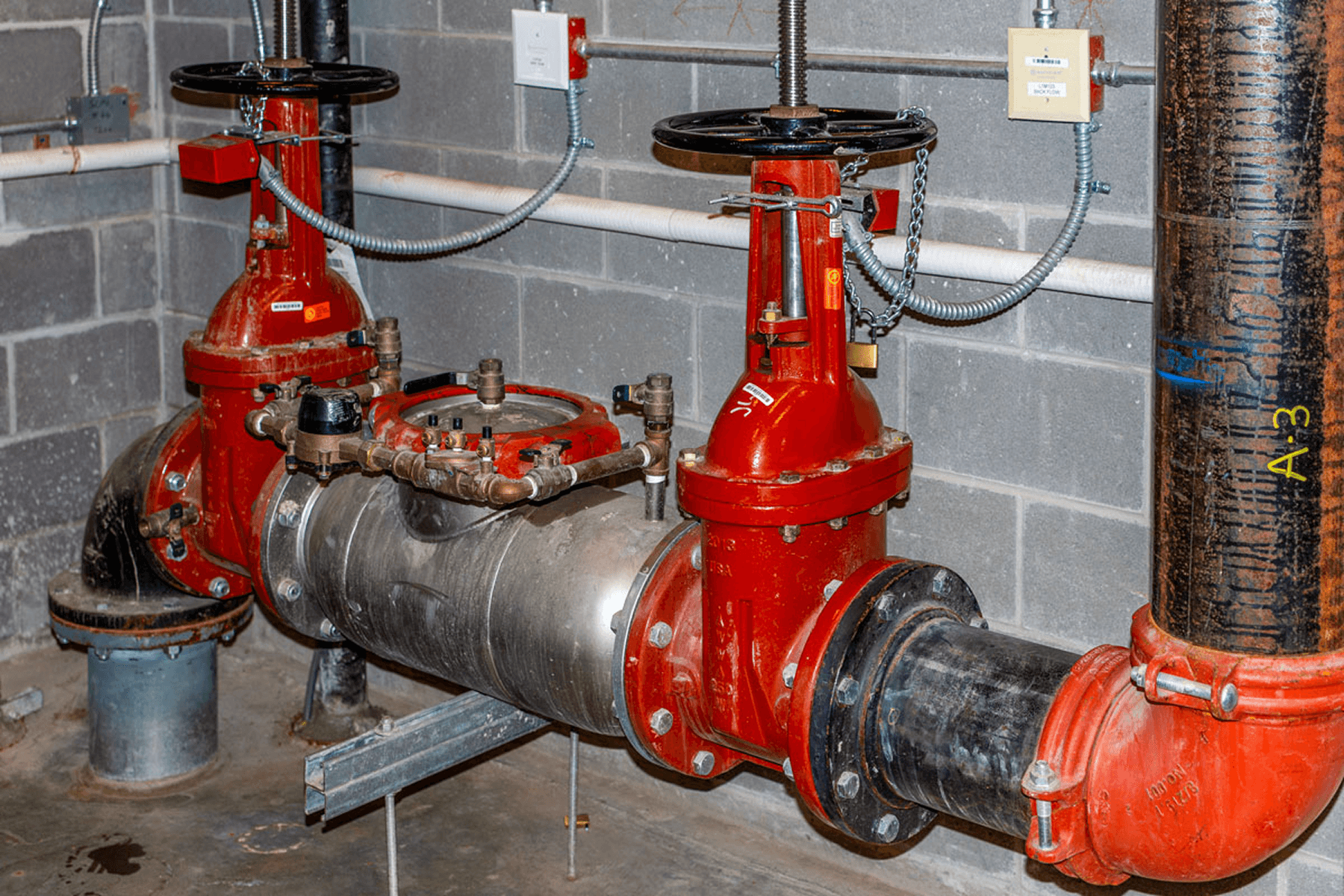
Grease interceptors are essential for preventing fats, oils, and grease (FOG) from entering sewer systems and causing blockages, backups, or violations. D.M. Kelly Mechanical provides commercial grease interceptor solutions for restaurants, commercial kitchens, food processing facilities, schools, and multi‑tenant properties. Whether you’re installing a new interceptor, replacing an undersized unit, or upgrading to meet current code, our team ensures proper sizing, placement, and long‑term performance.
What We Offer
Grease Interceptor Installation — New installations for commercial kitchens, tenant improvements, and new construction, properly sized to meet usage and code requirements
Grease Interceptor Replacement — Removal and replacement of damaged, failing, or undersized units to restore compliance and performance
System Evaluation & Sizing — Assessment of flow rates, fixture counts, and facility demands to ensure the correct interceptor type and capacity
Piping & Connection Modifications — Proper inlet/outlet piping, venting adjustments, and system integration for safe, efficient operation
Compliance Support — Installations completed to meet local plumbing codes, health department standards, and municipal requirements
Signs You Need Service
Frequent drain clogs or slow drainage in kitchen fixtures
Foul odors coming from drains or interceptor areas
Grease backups affecting sinks, floor drains, or dishwashers
Failed inspections or code compliance notices
An interceptor that is undersized for current kitchen usage
Physical damage, corrosion, or leakage around the interceptor
Facility expansion or kitchen upgrades requiring system changes
Neglecting grease interceptor issues can lead to costly plumbing failures, shutdowns, and violations. If you’re experiencing any of these problems, our team can assess your system and recommend the right solution.
Common Questions
Which facilities require grease interceptors? Most commercial kitchens, restaurants, cafeterias, food processing facilities, and institutions that generate grease‑laden waste are required to have grease interceptors.
How is a grease interceptor sized? Sizing is based on fixture count, flow rate, kitchen usage, and local code requirements. We perform detailed assessments to ensure proper capacity and compliance.
Can you replace an undersized or outdated interceptor? Yes. We frequently replace interceptors that no longer meet demand or code requirements due to facility expansion or menu changes.
Do grease interceptors require maintenance after installation? Yes. Regular cleaning and pumping are required to maintain performance and compliance. While pumping is typically handled by specialty providers, we ensure the system is properly installed for effective maintenance access.
Do grease interceptor installations require permits? In most cases, yes. We handle permitted installations and ensure all work meets applicable plumbing and health department codes.
Commercial Grease Interceptor Installation & Service
Grease interceptors are essential for preventing fats, oils, and grease (FOG) from entering sewer systems and causing blockages, backups, or violations. D.M. Kelly Mechanical provides commercial grease interceptor solutions for restaurants, commercial kitchens, food processing facilities, schools, and multi‑tenant properties. Whether you’re installing a new interceptor, replacing an undersized unit, or upgrading to meet current code, our team ensures proper sizing, placement, and long‑term performance.
What We Offer
Grease Interceptor Installation — New installations for commercial kitchens, tenant improvements, and new construction, properly sized to meet usage and code requirements
Grease Interceptor Replacement — Removal and replacement of damaged, failing, or undersized units to restore compliance and performance
System Evaluation & Sizing — Assessment of flow rates, fixture counts, and facility demands to ensure the correct interceptor type and capacity
Piping & Connection Modifications — Proper inlet/outlet piping, venting adjustments, and system integration for safe, efficient operation
Compliance Support — Installations completed to meet local plumbing codes, health department standards, and municipal requirements
Signs You Need Service
Frequent drain clogs or slow drainage in kitchen fixtures
Foul odors coming from drains or interceptor areas
Grease backups affecting sinks, floor drains, or dishwashers
Failed inspections or code compliance notices
An interceptor that is undersized for current kitchen usage
Physical damage, corrosion, or leakage around the interceptor
Facility expansion or kitchen upgrades requiring system changes
Neglecting grease interceptor issues can lead to costly plumbing failures, shutdowns, and violations. If you’re experiencing any of these problems, our team can assess your system and recommend the right solution.
Common Questions
Which facilities require grease interceptors? Most commercial kitchens, restaurants, cafeterias, food processing facilities, and institutions that generate grease‑laden waste are required to have grease interceptors.
How is a grease interceptor sized? Sizing is based on fixture count, flow rate, kitchen usage, and local code requirements. We perform detailed assessments to ensure proper capacity and compliance.
Can you replace an undersized or outdated interceptor? Yes. We frequently replace interceptors that no longer meet demand or code requirements due to facility expansion or menu changes.
Do grease interceptors require maintenance after installation? Yes. Regular cleaning and pumping are required to maintain performance and compliance. While pumping is typically handled by specialty providers, we ensure the system is properly installed for effective maintenance access.
Do grease interceptor installations require permits? In most cases, yes. We handle permitted installations and ensure all work meets applicable plumbing and health department codes.
Need a grease interceptor installed?
Need a grease interceptor installed?
Contact D.M. Kelly Mechanical for a free estimate. Serving customers across Washington State, from King and Pierce counties to communities statewide.
Contact D.M. Kelly Mechanical for a free estimate. Serving customers across Washington State, from King and Pierce counties to communities statewide.